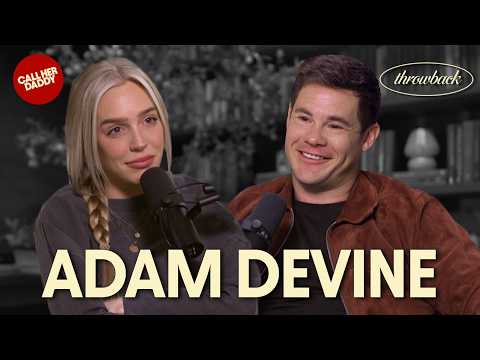
Adam Devine: BDE & Pitch Perfect (Full Episode)
Adam Devine discusses growing up in Nebraska and his path to comedy and acting
In this highly anticipated episode of Call Her Daddy, Alex Cooper sits down with Cardi B for an unfiltered conversation about love, marriage, and the relentless scrutiny that comes with being one of the world's biggest music icons. Cardi B has never been one to shy away from controversial topics, and this episode proves why she's such a compelling guest as she navigates questions about her relationship with fellow rapper Offset and the constant speculation about their marriage status. Throughout the conversation, Cardi B reflects on the realities of maintaining a relationship in the spotlight, where every argument, rumor, and reconciliation becomes public fodder for discussion. She addresses the infidelity scandals that have plagued her relationship and shares her unique perspective on whether couples can truly move past such betrayals. The discussion touches on the difference between what happens behind closed doors versus what the media reports, revealing how much of the narrative around celebrity relationships is shaped by outside voices rather than the couples themselves. Cardi B opens up about her own insecurities, her growth as a person and partner, and what love actually means to her beyond the glamorous surface level. She's honest about the challenges of raising children while managing a high-profile career and relationship, and how that impacts her mental health and decision-making. The conversation also explores Cardi B's views on sex and intimacy, staying true to her brand of frank, uninhibited commentary that has resonated with audiences throughout her career. Alex Cooper brings her signature interviewing style to this episode, asking the tough questions while maintaining a conversational tone that allows Cardi B to open up genuinely. The episode serves as a masterclass in celebrity vulnerability, with Cardi B refusing to sugarcoat her experiences or pretend that her relationship is anything other than complicated, messy, and deeply human. For anyone interested in understanding the real dynamics behind celebrity relationships or looking for an honest conversation about modern love, this episode delivers both entertainment and genuine insight.
“People think they know my relationship because they see things online, but they have no idea what really goes on”
“Love is not just about the perfect moments, it's about choosing someone even when it's hard”
“I'm not going to pretend my marriage is perfect because nobody's is”
“Being vulnerable doesn't make you weak, it makes you human”
“At the end of the day, I do what's best for my family and my sanity”
Adam Devine discusses growing up in Nebraska and his path to comedy and acting

Jessi Draper opens up about discovering her husband Jordan was using escorts and attending sex parties during their marriage

The emotional and practical challenges of role reversal when adult children begin caring for aging parents

Kerry Washington discusses her approach to perfectionism and how it has shaped her career in entertainment