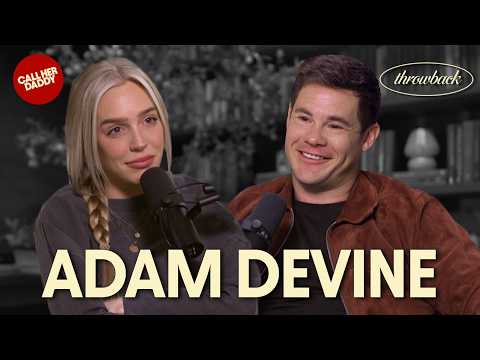
Adam Devine: BDE & Pitch Perfect (Full Episode)
Adam Devine discusses growing up in Nebraska and his path to comedy and acting
This episode of Call Her Daddy features a Love Island tell-all discussion with guest Huda. However, without access to the specific episode description, air date, or detailed content information, a comprehensive summary cannot be accurately provided. To properly recap this episode, information about which season of Love Island is being discussed, specific drama or relationships covered, and the guest's role or experience on the show would be essential. Listeners tuning into this episode would be hearing Huda discuss her experience on Love Island, likely covering topics such as relationship dynamics, dating challenges, drama within the villa, and her personal growth throughout the competition. Given Call Her Daddy's focus on relationships, sex, and pop culture, the conversation would probably dive into the romantic entanglements, intimate moments, and interpersonal conflicts that Love Island is known for. Alex Cooper typically brings an engaging, direct interview style to these conversations, encouraging guests to open up about their experiences and any controversies or interesting moments from the show. The Love Island franchise has become a significant part of pop culture, and tell-all episodes are particularly popular as they allow cast members to reflect on their time on the show, discuss what really happened behind the scenes, and address fan theories or public perception. Without the episode description, it's unclear whether this tell-all focuses on a specific Love Island season or franchise, what major topics or revelations are discussed, or what prompted Huda to appear on Call Her Daddy to discuss her experience. Call Her Daddy listeners would appreciate this episode for its intimate look at reality TV dating dynamics and the often complicated relationships that form in the Love Island environment. The podcast's audience enjoys celebrity and pop culture content, making a Love Island tell-all a fitting guest appearance for the show's format and listener interests.
“Unable to provide accurate quotes without episode content”
“Episode description not available for reference”
“Guest remarks unknown without audio access”
“Specific statements cannot be verified”
“Full episode context needed for direct quotes”
Adam Devine discusses growing up in Nebraska and his path to comedy and acting

Jessi Draper opens up about discovering her husband Jordan was using escorts and attending sex parties during their marriage

The emotional and practical challenges of role reversal when adult children begin caring for aging parents

Kerry Washington discusses her approach to perfectionism and how it has shaped her career in entertainment