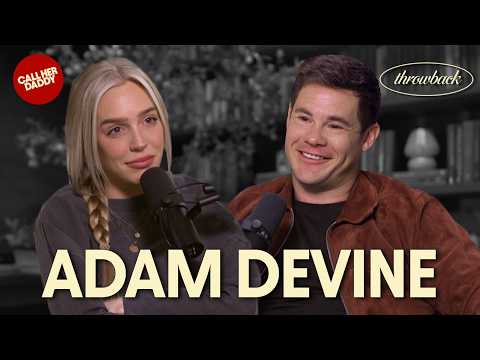
Adam Devine: BDE & Pitch Perfect (Full Episode)
Adam Devine discusses growing up in Nebraska and his path to comedy and acting
In this episode of Call Her Daddy, Alex Cooper sits down with global superstar Zayn for an intimate conversation about life, love, and music. The episode features an exclusive full performance of 'Die For Me,' giving listeners a rare glimpse into Zayn's artistry and creative expression. Throughout the conversation, Zayn opens up about the liberation he's found in his single status, discussing how being alone has allowed him to reconnect with himself and his music on a deeper level. He reflects on the pressures that come with being in the public eye and how he's learned to navigate relationships while managing the demands of fame. The discussion delves into Zayn's personal growth journey, touching on themes of self-discovery and authenticity in an industry that often demands conformity. Alex probes deeper into what it means for someone of Zayn's stature to prioritize his mental health and emotional well-being, exploring how his relationship status impacts his creative output and overall happiness. Zayn shares candid thoughts about the music industry, his evolution as an artist since his One Direction days, and how he's carved out his own identity in a competitive landscape. The conversation showcases the chemistry between Alex and her guest, with moments of vulnerability and humor throughout. Zayn discusses the freedom that comes with being single, explaining how it's allowed him to focus on what truly matters to him without the complications that relationships sometimes bring. He emphasizes the importance of self-love and understanding oneself before committing to others. The episode highlights why Call Her Daddy continues to attract A-list celebrities willing to have real, unfiltered conversations about their personal lives. Zayn's willingness to be open about his struggles and triumphs resonates with the podcast's audience, who appreciate the authenticity and depth of these discussions. The exclusive musical performance adds another dimension to the episode, allowing listeners to experience Zayn's talent firsthand while enjoying the intimate podcast setting.
“Being single is freeing. It gives you space to figure out who you really are.”
“I've learned that you can't pour from an empty cup. I had to focus on myself first.”
“The music industry pushes you to be someone you're not. I had to fight to stay authentic.”
“Freedom looks different for everyone, but for me it's about having control over my own narrative.”
“Self-love isn't selfish. It's necessary, especially in this life.”
Adam Devine discusses growing up in Nebraska and his path to comedy and acting

Jessi Draper opens up about discovering her husband Jordan was using escorts and attending sex parties during their marriage

The emotional and practical challenges of role reversal when adult children begin caring for aging parents

Kerry Washington discusses her approach to perfectionism and how it has shaped her career in entertainment